
Luxury Renovation Decision Timeline in Los Angeles: What Must Be Chosen By When

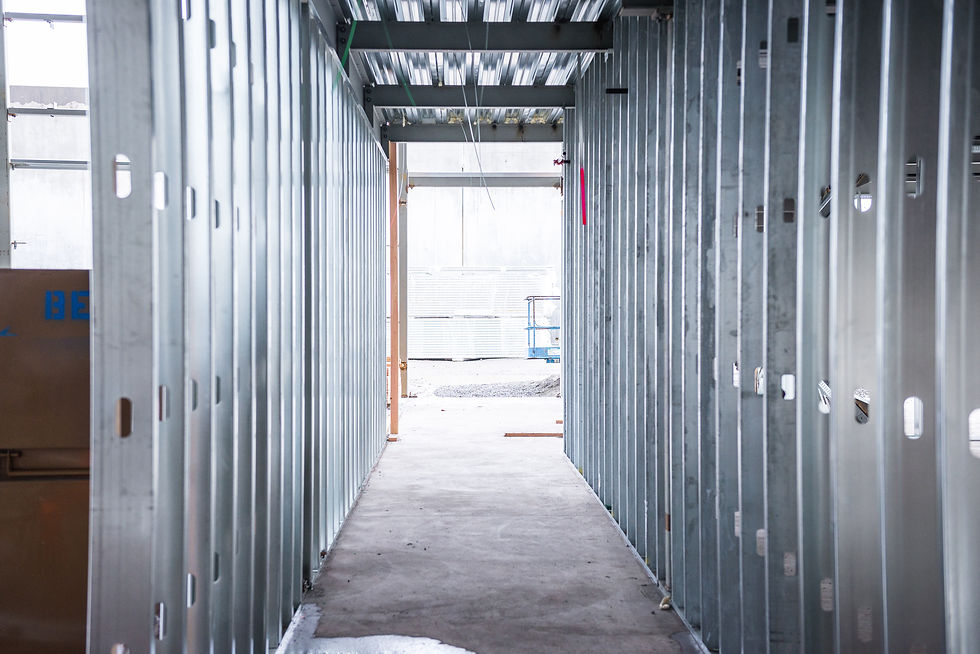
On high-end projects across the Westside, including Pacific Palisades, Brentwood, Malibu, Beverly Hills, and Santa Monica, schedules do not slip because crews are not working. They slip because decisions lag procurement. This is the decision timeline we use to keep luxury renovations predictable on budget, sequencing, and long-lead items.
If you are early in planning, this will save you time. If you are already collecting bids, it may explain why the numbers do not match.
One point up front: a timeline that ignores decisions and lead times is not a schedule. It is a wish list.
Why luxury renovation schedules slip

Most schedule problems come from three patterns:
A decision was not made early enough to order the item.
A decision was made, then changed after downstream work started.
The drawings were not specific enough, so trades filled in the gaps, then the project paid to unwind it.
In luxury work, decisions are connected. A change to a kitchen layout can affect plumbing, electrical, HVAC, soffits, cabinetry, stone fabrication, appliance specs, and sometimes permitting. That is normal. The fix is not pushing harder in the field. The fix is deciding earlier, and locking the right items before the job depends on them.
If you want to see why pricing can vary wildly even with the same drawings, start here: Los Angeles construction standards and how they change outcomes.
The decision timeline: what must be chosen by when
A controlled renovation runs on decision gates. Each gate unlocks the next set of work. Miss the gate and the project compensates in one of two ways: it pauses while decisions catch up, or it keeps moving and absorbs risk through allowances, assumptions, and later rework.
The timeline below lays out what needs to be decided at each stage so pricing stays stable and the schedule is not built on hope.
Phase 0: Before you ask for serious pricing
This is the point where a luxury renovation becomes priceable. If these items are still floating, most “estimates” are just assumptions and allowances.
Lock these first:
Scope boundaries: what is included vs excluded, in writing
Demo scope: what stays, what goes, what is protected, what is reused
Finish level: define the standard in plain terms (paint level, trim complexity, tile scope, cabinetry tier)
Structural direction: are walls moving, openings changing, or steel involved
Living-in-home plan: vacant, occupied, or phased with clear constraints
Unknown conditions strategy: decide how you will handle discoveries (investigation, contingency, alternates, decision authority)
Why it matters: In Los Angeles, bid spreads often come from scope ambiguity, not contractor pricing differences. If Phase 0 is not locked, you cannot compare bids because teams are pricing different assumptions.
If you want pricing that is actually comparable and a schedule that holds, this is where preconstruction work pays off. See how we approach preconstruction planning for Los Angeles luxury renovations.
Phase 1: Layouts and systems direction
This phase is preconstruction planning in practical terms. Your layouts and system direction have to be stable before construction documents can be coordinated and before long lead items can be released.
Lock these before your plans move toward permit and construction documents:
Kitchen layout: appliance sizes, clearances, venting direction, island strategy
Primary bath layout: wet zone boundaries, curbless intent, niche and bench intent
Windows and doors direction: performance level, operation types, oversized conditions
Reflected ceiling intent: where you want clean planes vs where drops are acceptable for routing
HVAC direction: keep, replace, relocate; mechanical room or closet strategy
Electrical approach: layered lighting vs minimal, switching intent, low-voltage scope and controls
Why it matters: Layout decisions and MEP decisions are tied together. If layouts are not stable, the electrical plan, plumbing rough-in locations, HVAC routing, and soffit strategy all stay in motion. That is how renovation schedule delays start.
Modern design choices can raise the coordination burden dramatically, especially around openings, waterproofing transitions, and thermal performance. Related reading: why modern luxury homes fail in Los Angeles and what a building science approach changes.
Phase 2: Construction documents and buildability (with permitting realities)
This is where a luxury renovation becomes truly buildable. The goal is not more drawings. The goal is fewer interpretations. Clear construction documents produce cleaner pricing, fewer RFIs, and far less rework once framing and rough-in start.
This is also the phase where permitting stops being a background task and starts influencing the schedule. In Los Angeles, permit review cycles, correction sets, and resubmittals can stretch timelines if the set is still shifting. If your team is still changing layouts while trying to permit, you are effectively restarting the clock.
Lock these before you try to hold a start date:
Plumbing rough-in locations: valves, drains, and fixture locations need to be real, even if final finishes are still being finalized
Lighting layout and switching intent: fixture locations, switching zones, and any feature lighting that affects rough-in
Tile scope and complexity: where tile runs, shower details, curb or curbless intent, and any layout expectations that affect substrate prep
Waterproofing and water management intent: wet areas, door thresholds, exterior transitions, and any deck or balcony edges if applicable
Cabinetry direction: custom vs semi-custom, preliminary elevations, appliance integration approach, and any panel-ready requirements
Window and door schedule: final opening sizes, operation types, performance requirements, and any oversized conditions that drive structure and lead times
Why it matters: Phase 2 decisions drive framing backing, blocking, rough-in locations, and inspection sequencing. They also affect permitting. Late design shifts often mean revised sheets, additional reviews, and delayed approvals. If these items are not locked, the renovation schedule either pauses while decisions catch up, or it moves forward and pays for rework plus extra permit friction.
Phase 3: Procurement and submittals (the real schedule)
This is where the schedule either becomes real or quietly falls apart. In Los Angeles luxury renovations, the critical path is often not labor. It is procurement. If long lead items are not selected, approved, and ordered early, the job ends up resequencing work, pausing trades, and burning time between phases.
This is also where submittals matter. When an item requires approvals, shop drawings, or coordination with adjacent trades, you need time for review cycles. If approvals are late, ordering is late. If ordering is late, the schedule shifts, even if the field team is ready.
At the start of Phase 3, Bur Oak builds a job specific procurement schedule that lists each long lead selection, required submittals, approval deadlines, order dates, ship ETAs, and the install windows they support. This becomes the control document that keeps selections tracked, prevents decisions from drifting, and protects the construction schedule from last minute ordering.
Lock these with deadlines, not “soon”:
Windows and exterior doors: final specs confirmed, submittals approved, order placed
Cabinetry and built-ins: design approved, appliances integrated, field dimensions and clearances confirmed
Appliances: final selections, power and venting requirements confirmed, delivery timing coordinated with cabinetry
Electrical gear: panels, service upgrades, specialty systems confirmed early so rough-in is not guessing
Plumbing rough-in kits: valves and rough-in components verified to match the final trim package
Stone: scope confirmed and fabrication path set, with slab selection scheduled early enough to hold a fabrication slot
Specialty packages: fireplaces, steel, railings, smart home, shades, and any custom fabrication items that can bottleneck a finish schedule
Why it matters: A start date without procurement control is not a plan. It is a gamble. Phase 3 is where you protect the schedule by converting decisions into approved submittals, purchase orders, and real delivery dates.
If you want one rule to keep it simple: any item that affects exterior openings, cabinetry coordination, waterproofing transitions, or rough-in locations cannot remain undecided once you enter Phase 3.
Phase 4: Early construction (demo to framing to rough-in)
This is the point where the project becomes expensive to change. Once framing is in motion and rough-in starts, late decisions stop being paperwork. They turn into opened walls, revisited inspections, and trades coming back out of sequence.
Phase 4 is where you protect schedule and budget by locking anything that controls rough-in locations, backing, and coordination.
Decisions that must be locked before rough-in closes:
Wet wall locations: showers, tubs, vanities, drains, and any linear drain or curbless conditions
Electrical locations: lighting points, switching strategy, feature lighting zones, low voltage and control locations
HVAC routing: chases, soffits, supply and return locations, equipment access clearances
Blocking and backing: TVs, heavy mirrors, wall hung fixtures, railings, cabinetry, shower glass, and specialty accessories
Shower build details: niche locations, benches, curb vs curbless transitions, slopes and drain strategy
Door and opening coordination: pocket doors, large sliders, jamb depths, and any flush base or recessed details that affect framing
Inspection sequence clarity: what gets signed off when, so the team is not reopening work after approvals
Why it matters: Once rough-in is complete and inspections begin, changes trigger rework plus inspection friction. That is where renovation schedule delays compound. Phase 4 is the line in the sand where the best projects stop improvising and start executing.
If you want a simple rule: if it affects a pipe, wire, duct, slope, or backing location, it should not be a moving target in Phase 4.
Phase 5: Finishes (drywall to paint to cabinets to tile to trim)

Phase 5 is where the project either looks effortless or looks like it was rushed. Most finish problems are not craftsmanship problems. They are planning problems, usually caused by late deliveries, late layout decisions, or trades being forced to work around missing information.
This phase rewards early discipline. It punishes last minute changes.
These should already be decided and physically on track for delivery:
Paint system: level of prep, primer strategy, sheen plan by room, and any specialty finishes
Tile layout direction: pattern intent, grout widths, transitions, and edge details that affect cuts and sequencing
Stone fabrication details: edges, seams, drain cutouts, backsplash returns, and the template to install timing
Cabinetry and hardware: final hardware sets, appliance panel coordination, and install sequencing tied to flooring and paint
Lighting fixtures: verified arrival dates for decorative fixtures, lamps, and any specialty trims that cannot be substituted
Plumbing trim: final trim pieces and matching components on site before closeout windows
Glass and mirrors: shower glass lead times confirmed, mirror specs finalized, and mounting conditions coordinated
Punch strategy: a defined punch list process so the last 5 percent does not become the last 30 days
Why it matters: Finish work is sequencing sensitive. When one material arrives late, the job does not just pause. It reshuffles. That creates gaps, remobilizations, and quality compromises that clients can see.
If you want one rule: do not schedule finish phases around the date you hope items arrive. Schedule them around confirmed delivery dates and install windows.
Long-lead items that control your start date
If you want a schedule that holds, treat long lead items like critical path, not like shopping. In a Los Angeles luxury renovation, you can have the best field team in the world and still lose weeks if the wrong items are still undecided or stuck in approval.
These are the items that most often control the start date and the pacing of the job:
Windows and exterior doors
Custom cabinetry and built-ins
Appliances (especially panel ready packages and specialty ventilation requirements)
Electrical gear (service upgrades, panels, and any specialty control systems)
Plumbing fixtures and trim in specialty finishes
Stone (slab selection, fabrication slot timing, template to install sequencing)
Custom steel, railings, and specialty metal work
Fireplaces and specialty architectural packages
Smart home, shades, and integrated low voltage (scope dependent)
Why it matters: when any one of these arrives late, the job does not just “wait.” Work gets resequenced. Trades remobilize. Temporary solutions get installed. Then they get removed and replaced. That is where schedule and quality both get hit.
Simple rule: if an item affects exterior openings, cabinetry coordination, waterproofing transitions, or rough-in locations, it cannot remain undecided once you are in procurement.
The “decision lock” system that prevents rework
Most renovation schedule delays start the same way. A key decision stays open, procurement cannot move forward, and the job either pauses or pushes ahead and absorbs risk through rework. On a Los Angeles luxury renovation, this is where budgets drift and timelines extend.
The fix is straightforward: treat decisions like deliverables. Every high impact selection needs an owner, a deadline, and a clear dependency. When decision deadlines match procurement lead times, the schedule holds.
Here is the system we use to prevent rework and keep preconstruction planning aligned with the construction sequence:
A single decision log
Every selection and layout decision, with an owner, due date, status, and dependencies
A procurement schedule tied to the build sequence
Submittal dates, approval deadlines, order dates, ship ETAs, and install windows for long lead items
No-change dates (hard stops)
After this date, changes trigger cost and schedule impacts, including resequencing and remobilization
Weekly decision review
A short weekly review that keeps decisions moving, confirms deadlines, and prevents last minute selections
A defined change process
Any change is evaluated for cost and schedule impact before field work is revised
Why it matters: rework typically comes from late decisions that affect rough-in locations, waterproofing transitions, custom fabrication, or long lead items. When those decisions are controlled, change orders drop and the renovation schedule becomes predictable.
If you want a simple test: if a decision affects a pipe location, wire location, duct route, waterproofing transition, cabinet dimensions, window openings, or fabrication lead times, it needs a deadline.
The litmus test: if you want a reliable schedule, answer these 3 questions
Do you have plans that are buildable, not conceptual?
Which long-lead items are already selected and order-ready?
What decisions must be made in the next 30 to 60 days to protect the start date?
If you want a clean next step, send three items:
Plans available now: yes or no
Living in the home: yes, no, or unsure
Top priority: speed, cost control, performance, or design intent
Next step: get clarity on what to lock next
FAQ: Los Angeles renovation decision timeline
What are the most common late decisions that delay a luxury renovation?
Windows and exterior doors, cabinetry and built ins, appliances and ventilation requirements, and the lighting plan. These items control long lead times and rough in locations, so they are hard to recover once the job is moving.
When should windows and doors be selected for a renovation in Los Angeles?
As soon as opening sizes and performance requirements are defined. If windows and doors are in scope, they should be specified early enough to complete submittals, approvals, and ordering before framing and waterproofing details are locked.
What does “decision timeline” mean in preconstruction planning?
It is a schedule for decisions, not just construction activities. It assigns an owner and deadline to every selection and layout item that affects procurement, construction documents, rough in coordination, and installation sequencing.
Can you start construction before selections are finalized?
You can, but you are choosing risk. The schedule will drift unless you set decision deadlines that match procurement lead times and you accept that late changes will create rework, resequencing, and change orders.
Which long lead items usually control the start date on a luxury remodel?
Windows and exterior doors, custom cabinetry, certain appliances, electrical gear and service upgrades, stone slab selection and fabrication slots, and custom metal or fireplace packages. Any one of these can push the start date if it is not approved and ordered early.
Why do contractor bids vary so much on high end renovations?
Because the project is not priceable yet. Different builders price different assumptions on scope, allowances, finish level, and what is included. Until scope and key selections are defined in construction documents, bid comparisons are not apples to apples.
How do you reduce change orders on a luxury renovation?
Reduce ambiguity early. Clear scope boundaries, coordinated construction documents, bounded allowances, and a procurement schedule with decision deadlines are the practical controls that prevent late revisions from turning into rework.
How far in advance should selections be made to avoid renovation schedule delays?Long lead items need to be chosen early enough for submittals, approvals, ordering, shipping, and the install window. In practice, that means key selections are often made weeks or months earlier than most homeowners expect, especially for windows, doors, cabinetry, and specialty finishes.
Does living in the home during renovation affect the decision timeline?
Yes. Occupied renovations add phasing, protection, limited work windows, and slower production. That increases the cost of late decisions, so decision deadlines and procurement tracking need to be tighter from the start.


Comments